Category: Health

Comprehensive Dental Care Helps Preserve Beautiful Smiles

A beautiful smile reflects healthy teeth, comfortable gums, and consistent daily care. Comprehensive dental care brings these elements together by supporting oral health through prevention, regular evaluations, professional cleaning, and personalized guidance. A thoughtful approach helps identify concerns early while encouraging habits that protect teeth for years to come. When dental care becomes a comfortable part of a regular wellness routine, maintaining a confident smile can feel simple and rewarding. Consistent attention also supports fresh breath, comfortable chewing, and a positive feeling about everyday oral health.

Regular Care Builds Strong Foundations

Routine dental visits provide valuable opportunities to monitor oral health and maintain a clean, healthy smile.

  • Professional cleanings help remove accumulated plaque and buildup.
  • Regular examinations help monitor changes in teeth and gums.
  • Preventive guidance encourages effective home care.
  • Routine attention supports long-term dental wellness.
  • Consistent visits can make oral care feel easier and more manageable.

Prevention Supports Lasting Oral Health

Dental Services

Preventive dentistry focuses on protecting healthy teeth before concerns develop. Simple professional recommendations can make daily routines more effective while supporting stronger smiles.

  • Brushing thoroughly helps keep tooth surfaces clean.
  • Flossing supports cleanliness between teeth.
  • Balanced food choices contribute to oral wellness.
  • Drinking water helps maintain a fresh mouth.
  • Protective habits can reduce unnecessary dental concerns.
  • Regular checkups encourage continued attention to oral health.

Personalized Guidance Makes Care Comfortable

Every smile has different needs, preferences, and routines. Personalized dental guidance can make care more practical while helping patients understand how small improvements can create meaningful benefits.

  • Clear explanations make dental recommendations easier to follow.
  • Comfortable communication encourages questions and confidence.
  • Individualized care supports personal oral health goals.
  • Gentle approaches can create a more relaxed experience.
  • Ongoing guidance helps maintain positive habits between visits.

Comprehensive Services Support Beautiful Smiles


Valley Hills Dentistry
1624 Tate Blvd SE, Hickory, NC 28602
(828) 267-6800

A complete approach considers both immediate needs and long-term smile preservation. Professional care can address different aspects of oral wellness while helping patients maintain a healthy appearance.

  • Preventive evaluations support early awareness.
  • Professional cleaning promotes a polished, healthy smile.
  • Gum care supports comfortable and balanced oral health.
  • Restorative attention can help preserve natural teeth.
  • Cosmetic considerations can enhance smile confidence.
  • Personalized maintenance supports lasting results.

For individuals seeking dependable Dental Care in Hickory NC, a comprehensive approach can make maintaining a healthy and attractive smile feel more convenient and reassuring. Consistent professional attention works together with daily habits to support comfort, cleanliness, and confidence.

Daily Habits Complete The Care

Professional visits are most effective when paired with thoughtful home routines. Small actions performed consistently can contribute greatly to preserving a beautiful smile.

  • Brush twice each day with careful, gentle movements.
  • Clean between teeth regularly to support gum health.
  • Replace worn dental care tools when needed.
  • Follow professional recommendations consistently.
  • Pay attention to changes in comfort or sensitivity.
  • Keep scheduled dental visits part of the yearly routine.
  • Encourage positive oral care habits throughout the household.

Comprehensive dental care creates a positive foundation for maintaining healthy teeth, comfortable gums, and a confident smile. With preventive attention, personalized guidance, professional support, and consistent daily habits, patients can enjoy a rewarding approach to oral wellness. A little care today can help preserve a beautiful smile and encourage lasting confidence for the future.

Trusted Dentist Care Encourages Lifelong Habits For Better Oral Health

Healthy smiles are supported by daily habits, thoughtful guidance, and regular professional attention. Trusted dentist care can help people understand their oral health needs while making positive routines easier to maintain. With consistent encouragement, simple practices can become lasting parts of everyday life.

Building Strong Daily Routines

Good oral care begins with manageable habits practiced consistently. Professional guidance can show patients how small improvements in brushing, flossing, cleaning, and nutrition contribute to a cleaner, healthier smile over time.

  • Brushing gently and thoroughly helps keep teeth fresh and clean.
  • Flossing regularly supports healthy spaces between teeth.
  • Drinking water throughout the day promotes a refreshed mouth.
  • Choosing balanced meals provides valuable nutritional support.
  • Replacing worn oral care items encourages effective daily cleaning.

Regular Visits Support Prevention

Routine dental visits provide an opportunity to monitor changes and maintain excellent oral wellness. Preventive attention can make care feel simple and reassuring while helping patients stay informed about their unique needs.

  • Professional cleanings help maintain a polished, fresh smile.
  • Routine evaluations encourage early attention to changing needs.
  • Personalized recommendations make home care easier to follow.
  • Friendly guidance can strengthen confidence in everyday routines.
  • Consistent appointments help keep oral wellness a lasting priority.

Personalized Care Builds Confidence

Every smile benefits from attentive care that recognizes individual goals and preferences. A supportive dental professional can explain recommendations clearly, answer questions, and encourage practical habits that fit comfortably into daily schedules.

  • Clear explanations make oral care easier to understand.
  • Individual guidance supports more consistent routines.
  • Encouragement can make healthy habits feel rewarding.
  • Comfortable conversations help patients feel confident about care.
  • Positive reinforcement motivates continued attention to oral wellness.

Protecting Teeth Through Every Stage

Oral health needs can evolve throughout life, making ongoing guidance valuable. From early preventive habits to mature smile maintenance, thoughtful dental care can help people adapt their routines while preserving comfort, function, and confidence.

  • Children can develop positive brushing habits early.
  • Adults can strengthen preventive routines around busy schedules.
  • Older adults can receive guidance for changing oral care needs.
  • Families can encourage shared habits that support healthy smiles.
  • Lifelong attention helps preserve the benefits of consistent care.

Expertise That Encourages Lasting Wellness

Skilled dental guidance can inspire people to view oral care as an enjoyable investment in overall confidence. Those seeking specialized support may also explore care from a Prosthodontist in Tampa FL when appropriate, while continuing the everyday habits that support a healthy smile.

  • Professional recommendations can reinforce effective home care.
  • Preventive strategies encourage long-term smile protection.
  • Ongoing education helps people make informed choices.
  • Supportive care promotes confidence during every visit.
  • Consistency turns simple actions into lasting wellness habits.

A Lifelong Commitment To A Healthy Smile

Trusted dentist care makes oral wellness feel approachable, positive, and achievable. By combining professional guidance with consistent home routines, people can build habits that support cleaner teeth, healthier gums, comfortable function, and lasting confidence. Every thoughtful step taken today can contribute to a brighter, healthier smile for years to come

Suicidal Ideation Treatment For Teens Helps Strengthen Emotional Coping Abilities

Recognizing suicidal thoughts in a teenager can open the door to meaningful support, understanding, and recovery. Appropriate treatment focuses on safety while helping young people build healthier ways to manage difficult emotions. With consistent guidance, teens can develop coping abilities that support confidence, communication, and emotional resilience.

Building A Safe Foundation

Treatment begins by creating a supportive environment where teens can speak honestly without feeling judged. Professionals can help identify immediate concerns and create a practical safety plan that involves trusted adults.

  • Encourages open emotional expression
  • Supports honest and calm conversations
  • Identifies helpful sources of support
  • Strengthens feelings of safety

A caring approach can make it easier for teenagers to recognize their emotions and ask for assistance when challenges become overwhelming, while feeling heard, respected, and supported in everyday life.

Developing Healthy Coping Skills

Therapy Services

Therapeutic support can teach practical strategies for handling sadness, stress, anger, disappointment, and other intense feelings. These skills give teens constructive choices when emotions feel difficult to manage.

  • Practicing calming breathing techniques
  • Recognizing thoughts and emotional triggers
  • Using positive problem solving strategies
  • Building healthy daily routines

Over time, repeated practice can help coping strategies become more familiar and easier to use during challenging moments.

Strengthening Communication And Connection

Strong relationships can play an important role in emotional recovery. Treatment encourages teens to communicate their needs clearly and helps families create more supportive conversations at home.

  • Encouraging trusted adult conversations
  • Improving emotional vocabulary
  • Reducing feelings of isolation
  • Celebrating progress and personal strengths

Learning more about teen suicide can also help families recognize warning signs and understand how supportive responses can encourage timely care. Those seeking reliable educational information may learn more about teen suicide in scottsdale while focusing on compassionate, age appropriate guidance.

Encouraging Positive Emotional Growth

Effective care is not only about managing immediate distress. It can also help teenagers discover strengths, interests, goals, and healthy activities that create a stronger sense of purpose.

  • Setting realistic personal goals
  • Exploring enjoyable healthy activities
  • Practicing self compassion
  • Building confidence through small successes

Progress can happen gradually, and every positive step matters. Encouragement from caring adults can reinforce resilience and remind teens that difficult emotions can change.

Supporting Long Term Resilience

A continuing treatment plan can help teenagers maintain useful coping skills beyond periods of intense distress. Regular check ins, supportive relationships, and healthy routines can reinforce emotional stability.

  • Reviewing coping strategies regularly
  • Maintaining supportive relationships
  • Noticing improvements and achievements
  • Seeking help when concerns return

Suicidal thoughts should always be taken seriously, especially when a teen may be in immediate danger. A trusted adult or qualified mental health professional can help connect the teenager with appropriate care and urgent support when needed. With patience, compassion, and consistent treatment, teens can strengthen emotional coping abilities, build resilience, and move toward a healthier and more hopeful future.

Comparing Disposable Vape Lifespans By Puff Capacity

Disposable vapes can provide different lengths of use depending on their puff capacity. Comparing these capacities makes it easier to understand how long a device may remain usable and how its design supports different usage patterns. Puff capacity is influenced by factors such as e-liquid volume, battery performance, and individual habits. Looking at these elements together gives users a clearer way to compare options and choose a capacity that matches their routine. With a simple understanding of these factors, evaluating disposable vape longevity becomes more straightforward and convenient.

Understanding Puff Capacity

Puff capacity generally refers to the approximate number of inhalations a disposable vape can provide before its e-liquid or battery reaches its usable limit.

Key points include:

  • Lower-capacity devices can suit occasional use.
  • Medium capacities can provide a balanced experience.
  • Higher capacities may support longer periods of use.
  • Puff estimates offer a useful comparison between different designs.

The advertised capacity is an estimate rather than a guaranteed number because individual usage can influence the actual duration.

How Puff Count Relates To Lifespan

A higher puff capacity generally indicates that a device has more potential usage available. When comparing the disposable vape puff count, it helps to consider how frequently the device is used and how long each puff lasts.

Several habits can influence overall duration:

  • Shorter puffs may conserve e-liquid.
  • Less frequent use can extend the period between replacements.
  • Consistent usage makes lifespan easier to estimate.
  • Longer or more frequent puffs can use e-liquid more quickly.

This makes puff capacity a helpful starting point rather than an exact measurement.

E Liquid Volume Makes A Difference

E-liquid volume is closely connected to the potential puff capacity of a disposable vape. A device containing more e-liquid may support more inhalations when used under similar conditions.

Important considerations include:

  • Larger e-liquid capacity can support extended use.
  • Consistent puffing habits help maintain predictable consumption.
  • Efficient use can make the available e-liquid last longer.
  • Capacity information can simplify comparisons between devices.

Understanding this connection helps explain why two devices with similar appearances may offer different usage periods.

Battery Capacity And Device Performance

Battery capacity also contributes to how long a disposable vape remains functional. The battery needs to provide enough power for the device to operate throughout its intended usage.

Useful factors to consider include:

  • Battery capacity can support continued operation.
  • Stable performance contributes to a consistent experience.
  • Balanced e-liquid and battery capacity can improve overall usability.
  • Proper storage can help maintain device condition before use.

A suitable balance between battery and e-liquid capacity can support dependable performance.

Choosing A Suitable Puff Capacity

Selecting a capacity is easier when personal usage patterns are considered. Occasional users may appreciate a smaller capacity, while frequent users may prefer a device designed for more extended use.

Consider:

  • Typical daily usage
  • Preferred device size
  • Expected usage period
  • E-liquid capacity
  • Battery specifications

Overall, comparing puff capacities provides a practical way to understand disposable vape lifespan. By considering puff estimates alongside e-liquid volume, battery capacity, and personal habits, users can make more informed comparisons and select an option that aligns comfortably with their expected usage.

Experience More Energy Through Conscious Breathing Techniques

Energy can feel more available when breathing becomes steady, comfortable, and intentional. Conscious breathing encourages awareness of each inhale and exhale while creating moments of calm during everyday activities. With regular practice, simple techniques can support a refreshed mindset, focused attention, and a balanced sense of vitality.

Build Awareness Through Simple Breathing

Begin by noticing how you breathe without trying to change anything. Notice the movement of the abdomen and chest.

  • Sit or stand comfortably with relaxed shoulders.
    • Breathe gently through the nose when comfortable.
    • Notice the full length of each inhale and exhale.
    • Keep the face, jaw, and hands relaxed.

This short practice can create a useful pause and help you reconnect with your body.

Use Rhythmic Breathing for Fresh Energy

Breathing Techniques

A consistent breathing rhythm can make practice feel organized and enjoyable. Try inhaling slowly, then allowing a calm, slightly longer exhale. Repeat for several comfortable cycles.

  • Start with a few minutes.
    • Avoid straining or holding the breath unnecessarily.
    • Keep movements soft and natural.

A regular rhythm can help create a clearer transition between periods of activity and rest.

Make Breathing Part of Your Routine

Conscious breathing does not need a special setting or lengthy session. It can be included in ordinary moments throughout the day.

  • Take mindful breaths after waking.
    • Pause for gentle breathing before a task.
    • Use slow breaths during a short break.
    • Practice relaxed breathing before bedtime.
    • Return attention to the breath when you want a reset.

These small habits can make conscious breathing practical and sustainable.

Combine Breath With Positive Movement

Breathing can complement gentle movement and help create a stronger sense of physical awareness. Coordinate easy movements with comfortable breathing rather than rushing through each action. Walking, stretching, light mobility exercises, and relaxed posture practices can all become opportunities to notice the breath. During these moments, resources such as ademhalingscursus ademhaling cursus can inspire a structured approach to conscious breathing.

Strengthen Focus and Daily Vitality

Conscious breathing can encourage you to slow down, notice the present moment, and approach activities with clarity. A few intentional breaths may help create a feeling of renewed readiness before reading, working, exercising, or enjoying personal time. For lasting benefits, focus on consistency instead of intensity. Practice techniques that feel comfortable and allow progress to develop naturally.

Create an Energizing Breathing Habit

A positive breathing routine can become a simple source of daily renewal. With patient practice, each breath offers an opportunity to pause, reconnect, and move forward with greater awareness.

  • Keep sessions short and enjoyable.
    • Practice at times that fit naturally into your day.
    • Celebrate steady progress.
    • Let comfort guide your pace.
    • Return to gentle breathing whenever you need a refreshing moment.

Conscious breathing is a simple skill with meaningful potential. By giving attention to the breath, you can cultivate greater awareness, support steady energy, and make everyday moments feel more balanced and purposeful.

Modern Composite Bonding Treatments Promote Attractive Healthy Looking Smiles

Composite bonding treatments provide an effective approach for improving smile appearance while maintaining a natural and healthy look. This modern dental solution focuses on enhancing tooth shape, color, and overall balance through a comfortable and efficient process. With careful planning and skilled application, composite bonding helps individuals achieve greater confidence and a more appealing smile.

Enhances Smile Appearance Naturally

Composite bonding improves minor imperfections while preserving a natural appearance. The treatment is designed to create balanced results that complement existing teeth and enhance overall facial harmony.

  • Improves the appearance of uneven tooth surfaces.
  • Creates a smoother and more attractive smile.
  • Helps enhance tooth shape and symmetry.
  • Supports a natural-looking dental appearance.
  • Encourages greater confidence while smiling.

Provides Comfortable Treatment Benefits

Dental Implants

The convenience and gentle nature of composite bonding make it an appealing choice for many individuals. The process focuses on achieving positive results while supporting a comfortable experience.

  • Offers a comfortable treatment approach.
  • Requires minimal preparation for improvements.
  • Supports efficient smile enhancement.
  • Allows personalized adjustments.
  • Encourages a positive treatment experience.

Supports Better Smile Confidence

A healthy-looking smile can influence everyday confidence and personal expression. Composite bonding helps create improvements that allow individuals to feel more comfortable when interacting, speaking, and smiling.

  • Boosts confidence in social situations.
  • Encourages a positive self-image.
  • Improves comfort during daily communication.
  • Creates a more polished smile appearance.
  • Supports overall satisfaction with results.

Creates Long-Lasting Aesthetic Improvements

With proper care and regular dental maintenance, composite bonding can provide lasting improvements in smile appearance. Thoughtful treatment planning helps maintain beautiful results while supporting overall dental wellness.

  • Helps preserve an attractive smile.
  • Supports reliable aesthetic improvements.
  • Maintains a smooth and appealing finish.
  • Encourages healthy oral care habits.
  • Provides lasting value through quality results.

Personalized Care Improves Treatment Outcomes

Every smile has unique characteristics, so personalized planning plays an important role in achieving successful bonding results. Understanding individual needs helps create improvements that feel natural and comfortable.

  • Supports customized smile enhancements.
  • Matches improvements with personal goals.
  • Promotes balanced and harmonious results.
  • Encourages careful treatment decisions.
  • Helps create satisfying long-term outcomes.

Modern Approaches Encourage Smile Transformation

Advancements in dental care continue to make smile enhancement more accessible and effective. Resources such as London smile fix may provide inspiration for those exploring cosmetic improvements, while professional guidance helps individuals choose suitable options for their needs.

  • Encourages awareness of smile improvement choices.
  • Supports informed treatment discussions.
  • Promotes confidence throughout the process.
  • Helps individuals understand available solutions.
  • Creates opportunities for improved smile aesthetics.

Conclusion

Modern composite bonding treatments offer an excellent way to achieve attractive, healthy-looking smiles through comfortable and personalized care. By enhancing tooth appearance, improving confidence, supporting lasting results, and encouraging positive oral habits, composite bonding provides valuable benefits for many individuals. A carefully planned approach helps create a balanced smile that looks natural, feels comfortable, and supports everyday confidence for years to come.

Explore Positive Wellness Paths with Modern Peptides Research

Modern peptides research is creating exciting opportunities for people who want to support their overall wellness in informed and responsible ways. As scientific understanding continues to expand, peptides are being explored for their potential role in promoting healthy biological processes and encouraging a balanced lifestyle. Many wellness enthusiasts are following these developments with optimism while choosing solutions that emphasize quality, transparency, and evidence-based innovation. Interest in HGH Canada has also grown as individuals seek trusted sources of information while learning about advancements in peptide-related research.

Why Modern Peptides Research Is Gaining Attention

Peptides are naturally occurring chains of amino acids that participate in many biological functions. Researchers continue to investigate how these compounds may contribute to improved health and wellness through carefully designed scientific studies. Their growing popularity reflects an increasing appreciation for personalized wellness strategies supported by ongoing research.

Some of the reasons people are interested include:

  • Continued scientific exploration of peptide functions.
  • Increasing focus on wellness supported by research.
  • Greater awareness of quality and responsible sourcing.
  • Expanding educational resources about peptide science.

The Value of Evidence-Based Wellness

Healthy Progress Peptides

Modern wellness is built on informed decision-making rather than trends alone. Scientific research helps individuals understand potential benefits while encouraging realistic expectations. Trusted information allows people to make thoughtful choices that align with their personal wellness goals and healthy lifestyles.

Research-driven wellness also encourages collaboration between scientists, healthcare professionals, and informed consumers. This shared commitment supports continuous learning and contributes to the responsible development of innovative wellness approaches.

Healthy Habits That Complement Wellness Goals

While scientific progress continues, everyday lifestyle choices remain an essential part of long-term wellness. Combining healthy habits with reliable information creates a strong foundation for overall well-being.

Helpful wellness practices include:

  • Eating a balanced and nutrient-rich diet.
  • Staying physically active on a regular basis.
  • Prioritizing consistent and restorative sleep.
  • Managing daily stress through healthy techniques.
  • Keeping up with regular health checkups.

These habits work together to support physical and mental wellness while complementing broader health objectives.

Looking Ahead With Confidence

The future of peptides research continues to inspire optimism as scientists explore new possibilities for supporting wellness through responsible innovation. Ongoing studies are improving knowledge about how peptides interact within the body, helping shape more informed approaches for future health solutions. Choosing reliable educational resources and maintaining a balanced perspective allows individuals to benefit from scientific progress while making confident wellness decisions. As research continues to evolve, modern peptides remain an exciting area of study with the potential to contribute to healthier lifestyles and greater understanding of human wellness. By combining trusted information, healthy daily habits, and an appreciation for scientific advancement, people can confidently explore positive wellness paths and embrace future opportunities with knowledge, responsibility, and optimism

Couples Therapy Designed To Build Healthier Lasting Relationships

Healthy relationships thrive through trust, understanding, and meaningful communication. Every couple experiences moments of disagreement or emotional distance, but those challenges can become opportunities for growth when addressed with patience and guidance. Couples therapy encourages partners to strengthen their connection by improving communication, rebuilding confidence, and creating healthier habits together. Rather than focusing on blame, the process supports mutual respect and shared goals. As couples develop stronger emotional awareness, they often discover new ways to appreciate one another and build a relationship that continues to grow with time.

Why Couples Therapy Creates Positive Change

Professional guidance helps couples recognize patterns that may be limiting their relationship. By learning healthier ways to express emotions and solve conflicts, partners gain valuable skills that strengthen their bond.

Key benefits include:

  • Encourages honest and respectful conversations.
  • Strengthens emotional understanding.
  • Builds greater trust between partners.
  • Promotes teamwork during challenges.
  • Improves everyday communication habits.
  • Helps reduce unnecessary misunderstandings.
  • Supports healthier emotional connections.

During relationship growth, many couples discover valuable strategies while exploring https://www.aurishasmolarski.com/couples-therapy/ as part of learning about positive communication and long-term relationship support.

Communication Becomes More Meaningful

Couples Therapy Sessions

Clear communication is one of the strongest foundations of lasting relationships. Couples therapy helps partners express feelings calmly while learning to listen without judgment. Small communication improvements often create significant positive changes over time.

Healthy communication habits include:

  • Speaking openly with kindness.
  • Listening without interrupting.
  • Respecting different viewpoints.
  • Asking thoughtful questions.
  • Expressing appreciation regularly.
  • Resolving disagreements peacefully.

Building Trust through Consistent Effort

Trust grows through daily actions, honesty, and reliability. Couples therapy encourages partners to understand each other’s emotional needs while creating realistic expectations that strengthen their relationship.

Ways trust becomes stronger:

  • Keeping important promises.
  • Sharing feelings honestly.
  • Supporting each other’s goals.
  • Demonstrating patience during challenges.
  • Practicing forgiveness with sincerity.
  • Celebrating personal and shared achievements.

These positive habits create a secure environment where both individuals feel respected and valued.

Developing Stronger Problem Solving Skills

Every relationship encounters obstacles, but successful couples learn how to approach them together. Therapy introduces practical techniques that encourage cooperation rather than conflict.

Helpful approaches include:

  • Identifying issues calmly.
  • Focusing on practical solutions.
  • Making decisions together.
  • Managing emotions constructively.
  • Setting shared relationship goals.
  • Encouraging compromise whenever appropriate.

Working together strengthens confidence and promotes healthier long-term decision making.

Creating a Lasting Relationship Foundation

Healthy relationships continue growing through commitment, understanding, and continuous learning. Couples therapy provides valuable tools that help partners strengthen emotional intimacy while building a future based on respect and support. By practicing positive communication, improving trust, and solving challenges together, couples create stronger connections that withstand life’s changes. Small, consistent efforts often produce meaningful improvements, allowing relationships to flourish with greater happiness, stability, and lasting emotional fulfillment for many years ahead.

Cannabis And Magic Mushrooms Within Evidence Based Healthcare Conversations

Healthcare conversations continue to evolve as scientific knowledge expands and more evidence becomes available about natural compounds. Cannabis and magic mushrooms have become important topics in discussions focused on research, patient care, and future treatment possibilities. Rather than relying on assumptions, many healthcare conversations now emphasize careful analysis, verified findings, and balanced interpretation of available evidence. Researchers continue to examine how these substances interact with the body and mind while identifying both opportunities and limitations. Evidence based discussions encourage thoughtful decision making, responsible education, and continued scientific exploration that may contribute to better understanding and improved healthcare approaches over time.

Understanding Evidence Based Discussions

Evidence based healthcare relies on carefully collected research and clinical observations. Important elements include:

  • Reviewing high quality scientific studies.
  • Comparing findings across multiple investigations.
  • Evaluating safety alongside effectiveness.
  • Considering individual health differences.
  • Encouraging ongoing scientific updates.
  • Supporting informed healthcare conversations.

Cannabis In Modern Healthcare Research

 Magic Mushrooms

Researchers continue studying cannabis to understand its potential role in different healthcare settings. Current investigations often focus on:

  • Understanding interactions within the body.
  • Exploring symptom management possibilities.
  • Examining appropriate dosage considerations.
  • Identifying short term and long term effects.
  • Improving knowledge through controlled research.
  • Supporting responsible clinical evaluation.

Growing evidence encourages careful interpretation while highlighting the importance of additional research before broader conclusions are reached.

Magic Mushrooms And Scientific Interest

Scientific interest in magic mushrooms has expanded because researchers are exploring how naturally occurring compounds affect brain activity and emotional well being. Areas receiving attention include:

  • Brain function research.
  • Emotional health investigations.
  • Cognitive flexibility studies.
  • Neural connection analysis.
  • Long term outcome monitoring.
  • Careful assessment of treatment potential.

Many discussions emphasize structured research methods that prioritize participant safety and reliable evidence.

Why Ongoing Research Matters

Healthcare conversations benefit from continuous research because scientific understanding develops over time. Important advantages include:

  • Better quality evidence.
  • Improved patient education.
  • Safer healthcare decisions.
  • Enhanced clinical guidance.
  • Greater understanding of benefits and limitations.
  • More informed public awareness.

As educational resources continue expanding, many readers choose to explore trusted scientific summaries and click to read more before developing a broader understanding of current evidence.

Looking Ahead With Scientific Confidence

Future healthcare conversations will likely continue emphasizing evidence, transparency, and responsible scientific evaluation. Positive developments may include:

  • More comprehensive clinical studies.
  • Improved research methodologies.
  • Greater collaboration among researchers.
  • Expanded understanding of biological mechanisms.
  • Better educational resources for healthcare discussions.
  • Continued focus on patient centered research.
  • Increased confidence in evidence based decision making.

As scientific knowledge continues to grow, conversations surrounding cannabis and magic mushrooms are becoming increasingly informed by research rather than speculation. This evidence based approach encourages thoughtful learning, supports responsible healthcare discussions, and promotes continued exploration through carefully designed studies. By focusing on verified findings, balanced interpretation, and ongoing investigation, healthcare conversations can continue evolving in ways that strengthen understanding, encourage informed decisions, and contribute positively to future scientific progress.

Melbourne’s Specialist Dental Implant Clinic Process (What Actually Happens)

Dental implants can be life-changing. They can also be overprescribed, rushed, and sold like a “premium upgrade” when a simpler plan would’ve worked fine.

That’s my biased take after watching enough cases over the years.

So if you’re looking at implants in Melbourne, here’s the real process a specialist-style clinic tends to run: assessment, imaging, planning, surgery, healing, restoration, then the unglamorous part that decides everything long-term… maintenance.


 Are you even a good candidate? (Not everyone is.)

Now, this won’t apply to everyone, but the easiest implant cases are the ones with boring medical histories and plenty of bone. The tricky ones are… most of the rest. That’s why getting assessed by Melbourne’s specialist dental implant clinic can make a big difference when treatment planning gets more complex.

A proper implant suitability check usually looks at:

Periodontal (gum) stability: active gum disease and implants don’t mix well

Bone volume and density: height, width, and quality in the planned site

Bite forces and occlusion: grinders and clenchers need different planning

Medical risk: diabetes control, immune issues, smoking, certain meds

Expectations: you’d be surprised how often aesthetics goals drive the plan

If bone is lacking, that’s not an automatic “no.” It’s more like, “Okay, do we graft, change the implant position, change the prosthetic design, or choose another option entirely?”


 First consult: part detective work, part reality check

Look, a first appointment shouldn’t feel like a sales pitch with a mirror. It should feel like someone is trying to disprove implants before they approve them.


 What you’ll typically do (and what the clinic is quietly evaluating)

You talk through your history, sure. But the clinician is also watching for patterns: repeated infections, long gaps with missing teeth, gum problems that keep coming back, bruxism signs, and how you cope with dental treatment (some people are stoic; others need a proper anxiety plan).

In practical terms, the visit often includes:

– a focused intraoral exam (gum health, spacing, mobility, existing restorations)

– occlusal assessment (bite relationships and wear)

– radiographs and/or 3D CBCT scanning if implants are on the table

– a discussion of timelines, risks, and the actual sequence of visits

And yes, sedation comes up for some patients, but it shouldn’t be “default.” If you’re very anxious or the surgery is complex, it can be appropriate. If it’s simple and you’re fine with local anaesthetic, there’s no prize for making it more complicated.


 Imaging and diagnosis: this is where good clinics separate themselves

If a clinic plans implants without 3D imaging in a complex area, I’m skeptical. Full stop.

CBCT (cone-beam CT) lets the team see nerve canals, sinus anatomy, bone thickness, concavities, and where an implant can safely go without “hoping for the best.” Panoramic X-rays have value, but they’re not the whole story.

Here’s the thing: imaging isn’t just to decide if an implant can fit. It decides whether the final tooth will look and function like a real tooth. You plan from the crown backward. That’s prosthetically driven planning, and in my experience it prevents a lot of ugly surprises.

A quick stat, because it matters: Dental implants are generally reported with high survival rates over time; a widely cited long-term review reported survival around ~95% at 10 years (Buser et al., Periodontology 2000, 2012). Survival isn’t the same as “no complications,” but it’s a useful anchor when you’re weighing options.


 Implants vs bridge vs overdenture (my blunt take)

Some teeth don’t need implants. Some absolutely do. The nuance is in the bite, bone, and how the rest of the mouth is behaving.


 Implant

Root replacement. Bone stimulation. No need to grind adjacent teeth down.

Best when: you want long-term stability, you’ve got adequate bone (or you can create it), and you can commit to hygiene and reviews.


 Bridge

Fast-ish. Often cheaper upfront. But it borrows support from neighbouring teeth, and those teeth pay the price.

Best when: adjacent teeth already need crowns anyway, or implants are medically/financially off the table.


 Overdenture (implant-stabilised denture)

Removable, but far more stable than a conventional denture.

Best when: you’re missing many teeth, bone is limited, or you want stability without a full fixed reconstruction (also easier to clean for some patients).

If you’re being pushed into the most expensive option without a clear functional reason, pause and ask why.

One-line reality: cost should follow clinical logic, not the other way around.


 Costs, coverage, and the money talk (it should be plain)

A proper written plan is itemised. If it’s not, you can’t compare it properly.

Common cost categories include consults, CBCT imaging, surgical placement, grafting (if needed), abutments, crowns/bridges, temporaries, and follow-up reviews. Complexity changes everything: a straightforward single implant is not priced like a multi-unit case with grafting and aesthetic tissue work.

Insurance can cover bits and pieces depending on the policy (often diagnostics and prosthetics have different rules). Ask the clinic to walk you through what they’re claiming and what they aren’t. Pre-approvals can save headaches.


 Surgical planning to reduce downtime (and drama)

Good planning tries to avoid “extra surgeries” later. That means deciding early:

– whether grafting is needed now or later

– whether immediate placement after extraction is safe

– if an immediate temporary tooth is realistic

– what loading protocol suits your bone and bite (immediate vs delayed)

Less tissue trauma tends to mean easier healing. Guided surgery can help in some cases, but it’s not magic; it’s only as good as the planning and the clinician’s judgement.


 Implant placement: what actually happens in the chair

The procedure itself is usually shorter than people expect.

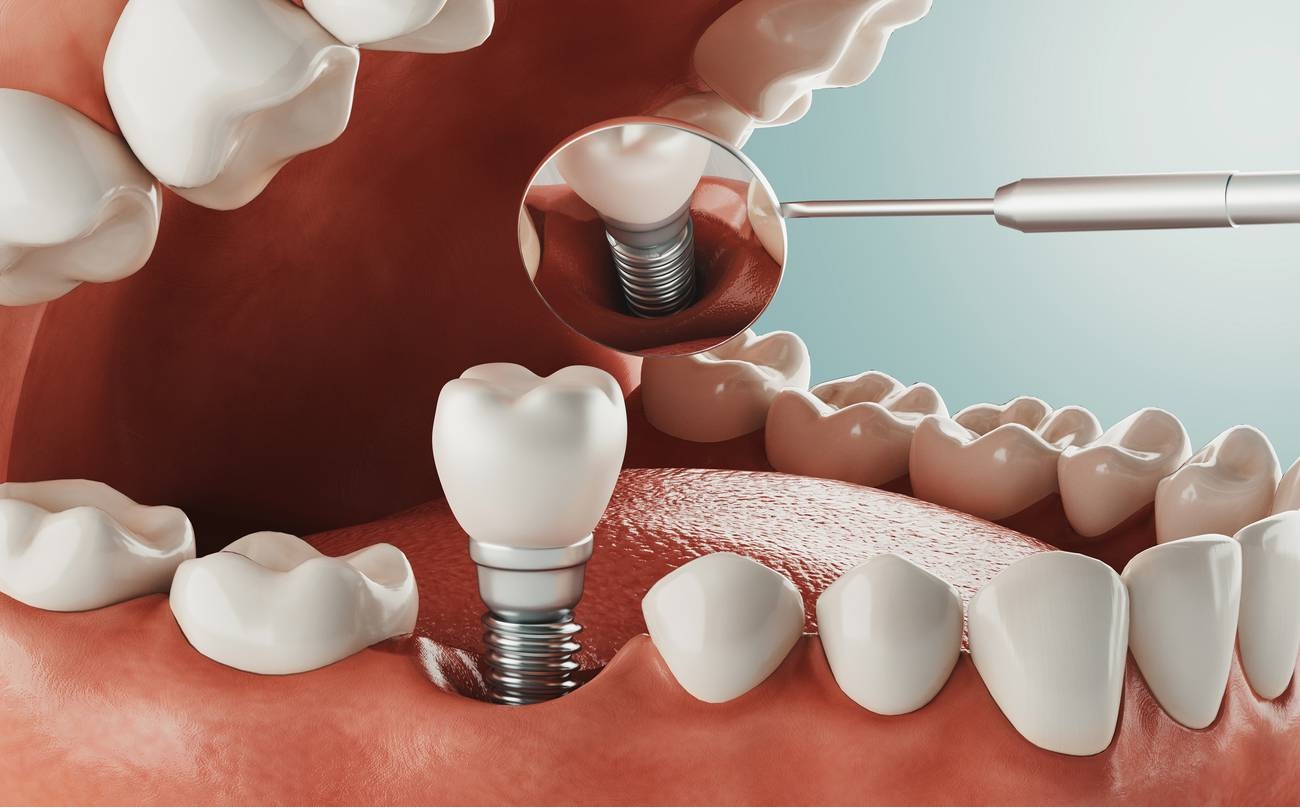
Local anaesthetic goes in. The site is accessed. A sequence of drills prepares the bone, gradually, with irrigation to control heat. The implant is placed to a planned depth and angulation, then covered with a healing cap or cover screw. Sutures may be used. You go home with instructions that you should actually follow.

Expect some soreness and swelling. Usually manageable. If someone tells you it’s always “painless,” they’re overselling.

Smoking is the big self-sabotage here. It reduces blood flow and is consistently associated with poorer healing outcomes in implant dentistry (and yes, I’ve seen otherwise perfect surgeries fail because of it).


 Healing and osseointegration: the slow part that matters

Osseointegration is the bone bonding to the implant surface. It’s not instant, and it’s not negotiable.

Soft tissue settles in days to a couple of weeks. Bone integration often takes weeks to months, depending on location (upper jaw can be slower), bone quality, and whether grafting was involved.

During this phase, clinics monitor symptoms, tissue health, and sometimes take follow-up imaging. If anything feels “off” (persistent swelling, bad taste, increasing pain, mobility), you don’t wait it out. You call.


 Restoration & aesthetics: where great work looks invisible

A natural-looking implant crown is mostly about three things:

  1. Implant position (a surgical decision)
  2. Emergence profile and soft-tissue support (design + healing)
  3. Material and shade strategy (ceramic vs zirconia vs titanium components)

In the aesthetic zone, the margin placement, gum thickness, and papilla support are what stop crowns from looking “stuck on.” Digital scans and careful temporaries often do more for the final result than people realise. The temporary shapes the tissue (it’s like orthodontics for gums, in a way).


 Maintenance: the part nobody wants to pay for, but everyone needs

If you want implants to last, treat them like high-performance equipment, not jewellery.

Daily cleaning is non-negotiable: soft brush, low-abrasive paste, flossing or interdental brushes suited to your prosthetic design. Then professional reviews on a schedule that matches your risk profile (history of gum disease, smoking, diabetes, bruxism, all raise the stakes).

Peri-implant disease is real. Bleeding, swelling, bad breath, tenderness, or a weird “puffy” look around the implant isn’t something to ignore. Early intervention is dramatically easier than late-stage rescue.

And yes, components can wear. Screws loosen. Night guards become necessary. That’s normal dentistry, not a failure, assuming it’s managed early.


 A final, slightly opinionated note

The best implant plan is the one that still makes sense in 10 years when your bite changes, your gums age, and life gets busy.

If a clinic can’t explain the “why” behind each step in plain language (without rushing you), you haven’t got a plan yet, you’ve got a pitch.