Month: July 2024

Staying Ahead – How a Social Media Marketing Agency Keeps Your Business Relevant

In today’s fast-paced digital world, maintaining relevance is crucial for any business striving to thrive in a competitive marketplace. A social media marketing agency plays a pivotal role in ensuring that your business not only keeps up with trends but also stands out in the crowded online space. A social media marketing agency starts by deeply understanding your target audience. This involves researching demographics, interests, and online behavior to tailor content that resonates with potential customers. By analyzing data and trends, the agency creates buyer personas, which are essential for crafting targeted marketing strategies. This personalized approach ensures that your social media campaigns are engaging and relevant to the right audience, increasing the likelihood of conversion.

Crafting a Strategic Content Plan

Once your audience is well understood, the agency develops a strategic content plan. This plan outlines the type of content to be created, the platforms to be used, and the frequency of posts. Effective content planning involves a mix of promotional, educational, and entertaining content. The agency ensures that your brand voice remains consistent across all platforms while also adapting content to fit the unique characteristics of each social media channel.

Leveraging the Latest Trends

Staying ahead in social media requires keeping up with the latest trends. Social media platforms are constantly evolving, with new features and trends emerging regularly. Milano agenzia di comunicazione is dedicated to staying updated on these changes. They quickly adapt your strategy to incorporate trending topics, hashtags, and viral content formats. By leveraging these trends, your brand remains relevant and engages with your audience in a meaningful way.

Engaging with Your Audience

Engagement is a key factor in maintaining relevance. A social media marketing agency actively manages your social media profiles to foster meaningful interactions with your audience. This includes responding to comments, participating in conversations, and addressing customer inquiries promptly. Engaging with your audience not only builds trust but also helps in understanding their needs and preferences, allowing for continuous improvement in your marketing strategy.

Handling Crisis Management

In the digital age, crises can arise unexpectedly. A social media marketing agency is equipped to handle such situations swiftly and effectively. They have protocols in place for managing negative feedback, addressing public relations issues, and mitigating any potential damage to your brand’s reputation. By proactively managing crises, the agency helps ensure that your business maintains a positive image even in challenging times.

Maximizing Paid Advertising

Social media platforms offer powerful advertising tools that can significantly boost your brand’s visibility. A social media marketing agency expertly manages paid advertising campaigns, including targeting specific demographics, optimizing ad placements, and monitoring performance. This strategic approach maximizes the return on investment ROI and ensures that your ads reach the most relevant audience.

In a rapidly evolving digital landscape, staying relevant is crucial for business success. A social media marketing agency provides the expertise and resources needed to keep your brand ahead of the competition. By understanding your audience, crafting strategic content, leveraging trends, engaging with your audience, analyzing performance, managing crises, and maximizing paid advertising, the agency ensures that your business remains prominent and impactful in the ever-changing world of social media.


Penetration Testing for SaaS Companies – Safeguarding Software and Customer Data

Penetration testing, often referred to as ethical hacking, is a crucial security measure for SaaS Software as a Service companies aiming to protect their software and customer data from malicious attacks. In a SaaS environment, where applications are delivered over the internet and accessed via web browsers, the security landscape is uniquely complex. SaaS providers manage not only their own infrastructure but also hold sensitive data for countless customers. This makes them prime targets for cybercriminals. Penetration testing involves simulating cyber-attacks on a company’s systems to identify vulnerabilities before real attackers can exploit them. By conducting these tests, SaaS companies can uncover weaknesses in their applications, networks, and security protocols, allowing them to address potential issues proactively. The process of penetration testing begins with defining the scope and objectives of the test. This includes identifying which systems, applications, and networks will be tested and what types of attacks will be simulated. Common techniques employed in penetration testing include vulnerability scanning, social engineering, and network probing.

Cybersecurity Services

Each technique aims to uncover different types of weaknesses, from software bugs and configuration errors to human factors like poor security practices. For SaaS companies, it is essential to focus not only on the application layer but also on the underlying infrastructure, such as servers, databases, and cloud services.  One of the significant challenges in SaaS penetration testing is the dynamic nature of the cloud environment. SaaS applications often rely on complex, multi-tenant architectures where multiple customers share the same infrastructure. This complexity can create unique vulnerabilities, such as data leakage between tenants. Penetration testers must be adept at understanding these architectures and identifying how vulnerabilities in one tenant’s environment could potentially impact others. Additionally, the constantly evolving nature of SaaS applications means that new features and updates can introduce fresh vulnerabilities, making regular testing a necessity. Another critical aspect of penetration testing for SaaS companies is compliance with industry regulations and standards. Many SaaS providers must adhere to stringent data protection regulations, such as GDPR, CCPA, and HIPAA.

These regulations often require regular security assessments and the implementation of robust security measures. The penetration testing company in tulsa helps ensure compliance by providing evidence that security controls are effective and identifying areas where improvements are needed. It also helps build trust with customers by demonstrating a commitment to protecting their data. The benefits of penetration testing extend beyond identifying and fixing vulnerabilities. It also helps SaaS companies improve their overall security posture by providing insights into the effectiveness of their security policies and incident response procedures. By simulating real-world attacks, companies can test their ability to detect, respond to, and recover from security incidents. This holistic approach to security testing ensures that not only are technical vulnerabilities addressed, but also that the organization is prepared to handle potential breaches in a coordinated and effective manner. In conclusion, penetration testing is an essential practice for SaaS companies to safeguard their software and customer data. It provides a proactive approach to identifying and mitigating vulnerabilities, ensuring compliance with regulatory requirements, and enhancing overall security.

The Do’s and Don’ts of Business Casual for a Professional Look

Try pairing a tailored dress shirt with jeans in a dark color or linen chinos for more formal attire. Sheath dresses in non-distracting prints and with spacious silhouettes are great for business clothes.

As jeans have found an appearance in some places of work, try dark wash styles without excessive distressing or fading. Avoid torn or ripped jeans, as they are too casual for business attire.

Professional Image

A business casual person still projects a professional image. In a workplace that is becoming more flexible and informal, it is important to be clean-cut and well-dressed. A few smudges or stains on your pants can make you look less polished than your colleagues. When it comes to working places where clients might pass by and meetings with top managers could happen without notice It is recommended to err towards formality.

In a work environment where business attire is the norm an adjustment in formal attire would be a jacket, button-down dress shirt (tie optional) and khakis, or slacks and casual leather shoes. Dark denim is a good choice with or without holes with the option of a Henley or polo shirt, and omit the tie if the dress code allows it. Other acceptable bottoms are chinos, long khaki skirts, or knee-length dresses.

Business Casual Outfits

For women, a blazer or cardigan with a cinching waistband, vertical lines, or a high-waisted cut could create an longer shape. Petite and plus-size women are advised to opt for blazers that are structured or cardigans that combine comfort with polished style. Accessorize with modest jewelry and accessories which are maintained to enhance your attire. Depending on the atmosphere of your workplace, you could wear stilettos or stiletto pumps or flats.

Dress code for work

Business casual is a flexible style that can vary by workplace culture. In professional settings like C-suites and law firms formal attire is more popular. However, start-ups and tech companies typically take a more casual approach. Dress code can also be influenced by time of year. Fabrics that are lighter can be worn in warmer weather, while heavier materials are more appropriate for winter months.

Danielle Bloxom, a recruiter in Wizehire’s People Operations team, recommends doing some research prior to an interview or the first day of an employment position to learn about the company’s ethos and environment. She suggests starting on the conservative side, and errring on the formal side when in doubt. Include accessories that can elevate your outfits to look more casual. You can include an elegant leather strap, a stylish wristwatch or a chic accessory like a scarf or hat for your style.

Wearing business casual clothing is a matter of preference depending on the workplace. However, it is usually comprised of long-sleeved shirts or polo shirts as in dresses, skirts, smart pants, khakis, and sweaters. Women can also pair an outfit with a sweater or blouse and a blazer that is tailored for an additional pop of fashion. Shoes should be comfortable and may be flats, boots or oxfords that are made of leather or suede.

Business Casual Style

Business casual is a fashion that combines comfort and professionalism. This type of dress is appropriate for many occasions, including casual Fridays at work, semi-formal business meetings or even date nights with your partner. There are a few rules that you must adhere to in order to ensure that your business casual outfit is appropriate for the occasion.

Dressing in business casual for males means wearing trousers with a tailored jacket and a crisp button-down shirt. The shirt should be neutral colors or delicate prints. The shirts should fit well and be well-pressed to create a sleek, professional appearance. Avoid casual t-shirts and Polo shirts, except if they are specifically permitted in your workplace dress code.

Dress slacks for women should be worn with neutral hues like navy or black. For business casual and classic skirts, knee-length designs are appropriate. Jeans can be worn as bottoms, depending on the circumstances, but must be washed in a dark shade and not prone to excessive fade or distress and blog here https://aristino.com/blog/vest-cuoi-nam-dep-tre-trung/. Elegant sneakers are an ideal alternative for casual business casual settings. But they should be fashionable and not include any athletic or casual features.

Accessories are an essential component of any style that includes casual business attire. Choose a subtle jewelry style like studs and a delicate necklace and avoid exaggerated or distracting pieces. Belts can add a sense of style to your waistline and help to bring your look together. a nice scarf or pocket square can give a stylish touch to your casual outfit.

Office Fashion

Business casual is more formal than a t-shirt, jeans and is less formal than an outfit. It’s a choice that is common in professional environments, especially those that are customer-facing or service oriented, like consulting, banking, insurance and legal (outside of courtrooms).

While jeans may be fine for some workplaces, business casual people should choose a tailored look in linen or cotton. Pick khakis or pants that are dark classic colors such as navy, gray or charcoal. For women, slacks, skirts and dresses that are longer or knee-length can be worn well, as will blouses and sweaters. You can also dress up your outfit with sports coats or cardigans. Shoes should be leather or suede. Flat, comfortable footwear is preferred over sneakers.

Men should select shirts with attractive patterns and long sleeves. When paired with a smart jacket, T-shirts can be worn. Knitwear that is not neutral is also fair game, but beware of flashy and bright tops. Blazers come in a variety of fabrics and styles, however darker neutral shades are ideal.

A woman’s wardrobe in business casual is flexible because of the wide range of options for clothing available for this dress code. Women also have the option of choosing from a variety of dresses, pencil skirts or blouses.

Energy-Efficient Hot Water Heaters save Money and the Environment

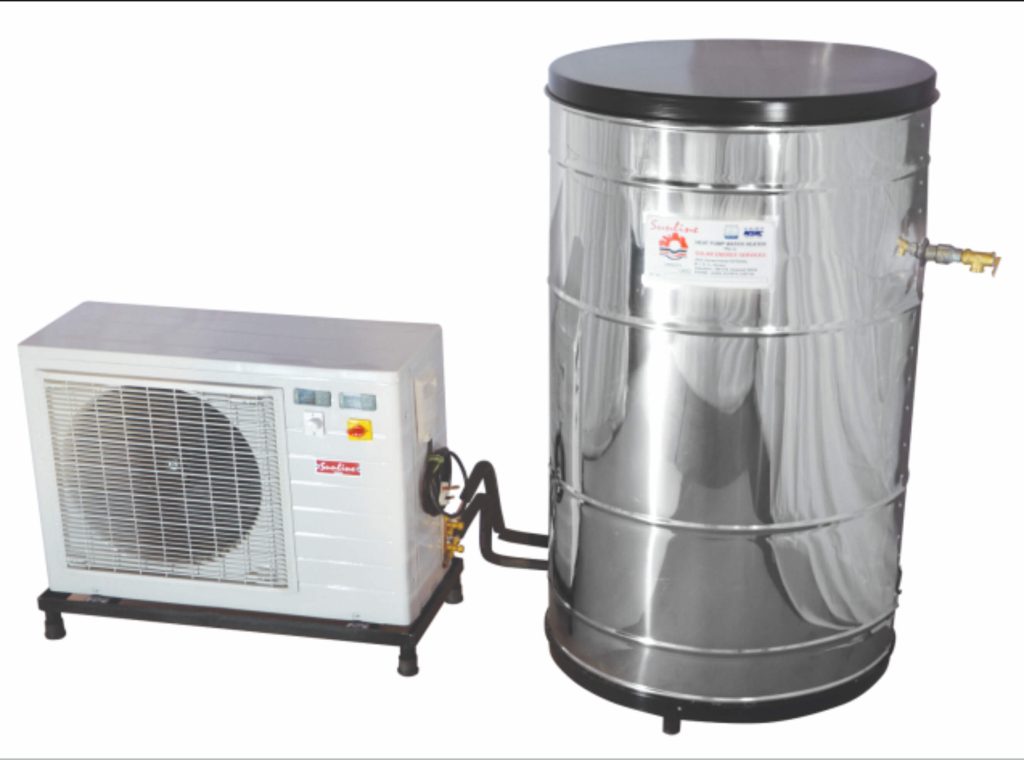
In today’s eco-conscious world, energy-efficient hot water heaters represent a crucial advancement in both technology and sustainability. Traditional water heaters consume significant amounts of energy, often accounting for up to 18% of a household’s energy use. In contrast, energy-efficient models, such as heat pump water heaters, tankless water heaters, and solar water heaters, offer substantial savings on utility bills while reducing the environmental impact. Heat pump water heaters work by transferring heat from the air or ground to heat the water, using electricity more efficiently than conventional electric resistance models. They can be two to three times more energy-efficient than traditional water heaters, leading to lower energy consumption and reduced greenhouse gas emissions. Tankless water heaters, on the other hand, provide hot water on demand, eliminating the need for a storage tank and the energy losses associated with maintaining a large volume of hot water. These units heat water only when it is needed, which can result in significant energy savings, especially in homes where hot water usage is sporadic.

Water Heater Maintenance

Solar water heaters harness energy from the sun to heat water, representing one of the most environmentally friendly options available. These systems can be highly efficient, especially in sunny climates, reducing reliance on fossil fuels and cutting down on energy bills. Although the initial installation cost can be high, the long-term savings and potential incentives from government programs make them an attractive investment. Adopting an energy-efficient hot water heater not only reduces energy consumption and water heater companies utility bills but also contributes to a reduction in carbon footprint. As governments and organizations worldwide push for greener policies and practices, consumers are increasingly incentivized to switch to more sustainable options. Rebates, tax credits, and financing options are often available to offset the initial costs of these advanced systems, making them more accessible to a wider range of consumers. Moreover, the technological advancements in energy-efficient water heaters have improved their reliability and lifespan.

Modern units are designed with better insulation, advanced thermostats, and smart technology that can be monitored and controlled remotely. This integration of smart home technology allows users to optimize their hot water usage, further enhancing energy savings and convenience. From an environmental perspective, the widespread adoption of energy-efficient hot water heaters can lead to significant reductions in national and global energy demand. This decrease in energy consumption translates to fewer greenhouse gas emissions and less strain on natural resources. In the long run, this contributes to the mitigation of climate change and supports the global effort to transition towards more sustainable energy practices. Energy-efficient Jnod hot water heaters are a smart choice for homeowners looking to save money and reduce their environmental impact. By investing in advanced technologies like heat pump, tankless and solar water heaters, individuals can enjoy the benefits of lower energy bills, improved system reliability, and a smaller carbon footprint.

Enhancing Workplace Cleanliness – Dust Collectors and Their Impact on Hygiene

Maintaining a clean workplace is crucial for the health and productivity of employees. Dust and other airborne contaminants can pose significant risks, leading to respiratory issues and decreased morale. One effective solution for enhancing workplace cleanliness is the implementation of dust collectors. These systems play a vital role in improving hygiene and fostering a safe working environment.

The Importance of Dust Control

Dust and particulate matter can accumulate quickly in various industrial and commercial settings, from manufacturing plants to warehouses. This buildup not only affects the cleanliness of the environment but can also pose health hazards to workers. Inhalation of dust can lead to chronic respiratory problems, allergies, and other serious health conditions. Moreover, excessive dust can contribute to equipment malfunctions, increasing maintenance costs and downtime. Implementing effective dust control measures is essential for mitigating these risks. This is where dust collectors come into play. These systems are designed to capture and filter dust from the air, ensuring that workplaces remain clean and safe.

How Dust Collectors Work

The dust collector cfm chart operate by drawing in air contaminated with dust and particulates. The air is then passed through a series of filters that trap dust particles, allowing only clean air to be released back into the environment. There are various types of dust collectors, including baghouse collectors, cartridge collectors, and cyclone separators, each suited to different applications and dust types. Baghouse collectors use fabric filters to capture dust, making them ideal for high-volume dust generation. Cartridge collectors are more compact and suitable for smaller spaces, offering high filtration efficiency. The choice of system depends on the specific needs of the workplace and the types of dust generated.

Benefits of Dust Collectors

Improved Air Quality – By effectively removing dust and particulates from the air, dust collectors significantly enhance indoor air quality. Cleaner air reduces the risk of respiratory issues and allergies among employees, promoting better health and well-being.

Enhanced Productivity – A clean workplace fosters a more productive workforce. When employees are not distracted by allergies or respiratory problems caused by dust, they can focus better on their tasks, leading to increased efficiency and output.

Equipment Longevity – Excessive dust can lead to the deterioration of machinery and equipment. Dust collectors help protect valuable assets by minimizing dust accumulation, reducing wear and tear, and prolonging equipment lifespan.

Regulatory Compliance – Many industries are subject to strict air quality regulations. Implementing dust collectors helps organizations comply with these regulations, avoiding potential fines and legal issues.

Cost Savings – Although there is an initial investment in dust collection systems, the long-term savings can be substantial. Reduced health care costs, lower maintenance expenses, and increased productivity contribute to a favorable return on investment at www.tysum.com.

Dust collectors are essential tools for enhancing workplace cleanliness and hygiene. By effectively capturing and filtering dust, these systems improve air quality, protect employee health, and contribute to overall operational efficiency. As industries continue to prioritize worker safety and environmental compliance, investing in effective dust collection systems will remain a critical step toward creating cleaner, healthier work environments. Organizations that prioritize cleanliness not only protect their employees but also enhance their overall productivity and success.

Ensuring Product Integrity – Can Packaging Machines and Quality Assurance

Ensuring product integrity through effective packaging machines and quality assurance practices is crucial for businesses across various industries. Packaging serves as more than just a means of containing products it plays a pivotal role in safeguarding items from damage, contamination, and tampering while also enhancing brand value through attractive presentation.

Role of Packaging Machines

Packaging machines are integral to ensuring efficiency and consistency in the packaging process. These machines encompass a wide range of technologies tailored to different types of products and packaging formats. For instance, in the food industry, automated filling and sealing machines ensure accurate portioning and airtight sealing of perishable goods, thereby extending shelf life and maintaining freshness. Modern packaging machines are equipped with advanced features such as automated controls, precision measurement systems, and high-speed operation capabilities.

Ensuring Quality through Packaging

Quality assurance in packaging involves rigorous processes designed to maintain product integrity throughout its lifecycle. This begins with selecting appropriate packaging materials that meet regulatory standards and are compatible with the product’s properties. For instance, sensitive electronic components may require anti-static packaging to prevent damage from electrostatic discharge and check more at www.levapack.com. QA practices also include testing packaging prototypes through various simulations to assess durability, resistance to environmental factors, and compliance with transportation regulations. This proactive approach helps identify potential weaknesses before full-scale production, thereby reducing risks associated with product recalls and customer dissatisfaction.

Importance of Compliance and Safety

Compliance with industry regulations and safety standards is non-negotiable in packaging. Regulatory bodies impose stringent guidelines to ensure that packaging materials do not pose health risks or environmental hazards. For instance, food packaging must be non-toxic and inert to prevent chemical contamination, while child-resistant packaging for pharmaceuticals aims to reduce accidental ingestion. Furthermore, packaging plays a critical role in protecting consumers from counterfeit products and tampering. Security features such as holographic seals, tamper-evident closures, and QR codes enable consumers to verify product authenticity and trace its origin, fostering trust and brand loyalty.

Environmental Considerations

In today’s environmentally conscious world, sustainable packaging solutions are gaining traction. Manufacturers are increasingly adopting biodegradable materials, recyclable packaging, and minimalist designs to minimize carbon footprints and reduce waste. Packaging machines are evolving to accommodate these eco-friendly materials while maintaining efficiency and performance.

Future Trends and Innovations

Looking ahead, the packaging industry is poised for further advancements driven by technology and consumer preferences. Smart packaging solutions incorporating sensors and RFID tags enable real-time monitoring of product conditions such as temperature and humidity, ensuring optimal storage and transportation conditions. Moreover, advancements in robotics and artificial intelligence are revolutionizing packaging automation, allowing for greater customization, flexibility, and responsiveness to market demands. These innovations not only improve operational efficiency but also enhance product safety and consumer satisfaction.

Ensuring product integrity through can sealer machines and quality assurance practices is indispensable for modern businesses aiming to deliver high-quality products to consumers. By leveraging advanced technologies, adhering to regulatory standards, and embracing sustainable practices, companies can safeguard their products, enhance brand reputation, and meet evolving consumer expectations in a competitive global marketplace.