Proximity sensors play a crucial role in modern automation systems, ensuring accurate detection, smooth operations, and improved efficiency. A well conducted proximity sensor test helps confirm that devices respond correctly to nearby objects without delay or error. This testing process strengthens system reliability and supports uninterrupted performance in various applications. By following structured testing methods, operators can maintain stability, reduce unexpected faults, and enhance overall operational confidence. Proper evaluation ensures that sensors remain responsive under different working conditions, ultimately contributing to consistent and safe system behavior.
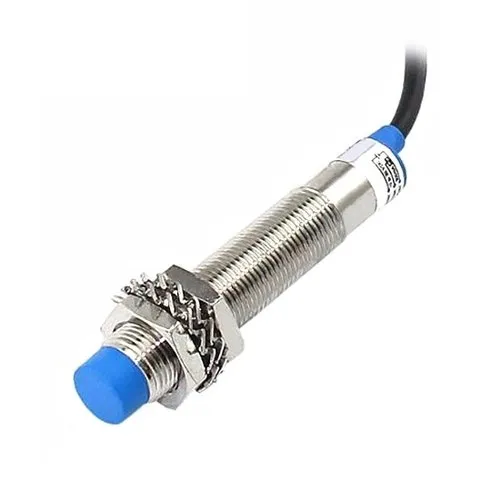
Importance of Proximity Sensor Testing
Testing proximity sensors is essential for confirming accurate detection and dependable functionality. It helps identify performance variations and ensures sensors respond correctly to different target materials and distances. Regular testing supports system efficiency by preventing false signals and reducing downtime. Proper evaluation helps sensors contribute to smoother automation and improved control accuracy across environments.
- Ensures consistent detection accuracy in all conditions
- Reduces false triggering and operational interruptions
- Enhances reliability of automated system performance
- Confirms correct sensor alignment and positioning setup
- Supports long term efficiency and operational stability
- Improves responsiveness in changing environments
Key Steps in a Well Conducted Test
Conducting a structured proximity sensor test involves careful planning and execution. The process includes checking alignment, verifying detection range, and evaluating signal response. Each step ensures expected performance under real conditions. A systematic approach reduces inconsistencies and improves reliability. Proper testing helps identify potential issues early and supports smooth functionality with minimal maintenance needs. Industrial workshops include proximity sensor test activities that help verify reliability and improve safety standards across equipment systems.
- Inspect sensor placement and mounting stability
- Verify detection range within required limits
- Check response time for signal activation accuracy
- Test with different materials and surface types
- Evaluate performance under varying conditions
- Confirm stable and consistent output signals
Benefits of Stable Sensor Performance
Stable proximity sensor performance contributes to efficient and uninterrupted operations. It ensures automation processes run smoothly without unexpected errors. Reliable sensors improve productivity by providing accurate data for control systems. They also reduce maintenance needs by minimizing faults. Overall stability strengthens system dependability and supports long term operational success across various applications.
- Improves system efficiency and workflow consistency
- Reduces unexpected downtime and operational failures
- Enhances accuracy in automated control systems
- Supports smooth integration with system components
- Lowers maintenance and repair requirements
- Strengthens safety and process control reliability
Conclusion
A well conducted proximity sensor test is essential for ensuring stable and reliable system operations. By following structured testing procedures and maintaining consistent evaluation practices, systems can achieve higher accuracy and improved efficiency. Proper testing not only enhances performance but also supports long term operational stability. With attention to detail and systematic verification, proximity sensors continue to deliver dependable results across diverse applications, contributing to smoother automation and optimized functionality.