Modern Mould Removal Methods Encourage Fresh And Pleasant Interiors
Fresh and pleasant interiors create a more enjoyable setting for everyday activities. When mould affects surfaces, modern removal methods can help restore cleanliness and improve the overall appearance of indoor areas. A structured approach focuses on careful assessment, suitable treatment, and practical maintenance that supports a bright and welcoming environment.
Modern Methods Support Effective Cleaning
Modern mould removal techniques combine careful inspection with targeted cleaning practices. This helps professionals understand the condition of affected surfaces and select suitable methods for achieving a cleaner and more polished result.
- Detailed inspections help identify visible and hidden affected areas.
- Targeted cleaning methods provide focused attention to surfaces.
- Careful treatment supports a neat and refreshed appearance.
- Organised processes help maintain consistency throughout the work.
- Professional guidance encourages continued attention after cleaning.
Creating A Fresher Indoor Atmosphere
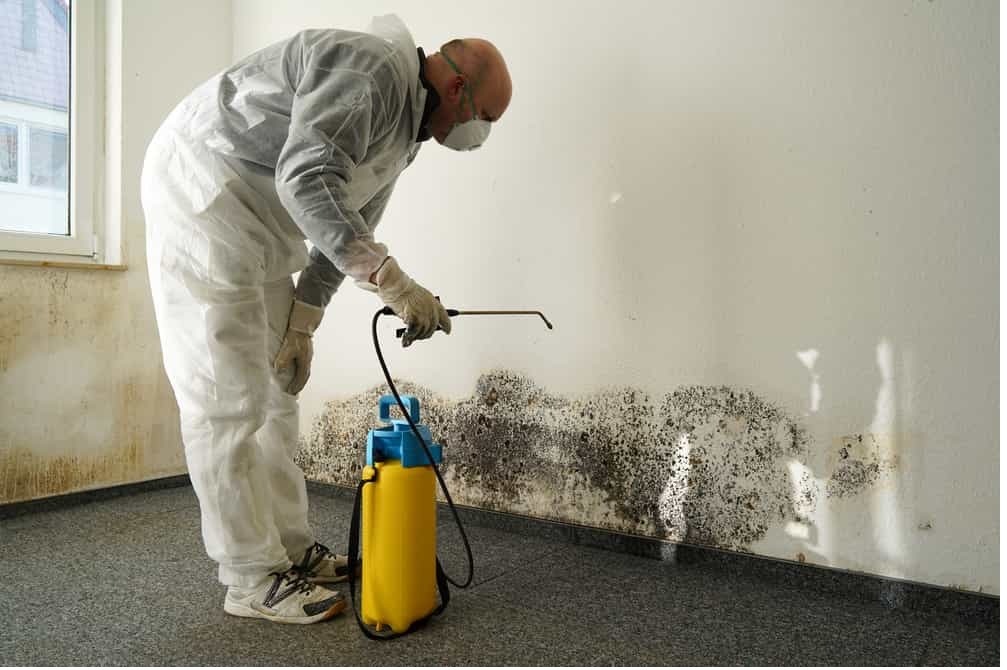
A well-maintained interior can feel more comfortable, attractive, and inviting. Modern treatment methods help refresh affected areas while supporting the overall cleanliness and visual appeal of rooms used for daily living.
- Clean surfaces contribute to a brighter indoor presentation.
- Fresh interiors can create a more positive atmosphere.
- Detailed cleaning helps improve the appearance of important areas.
- Well-maintained rooms feel more welcoming and enjoyable.
- Regular care supports lasting cleanliness and visual freshness.
Careful Assessment Improves Every Stage
A successful mould removal process begins with understanding the affected environment. Modern assessment methods allow cleaning efforts to be planned carefully, creating a smoother process and ensuring that important areas receive appropriate attention.
- Initial reviews help create a clear treatment strategy.
- Surface conditions guide the selection of suitable cleaning methods.
- Focused planning supports efficient use of time and effort.
- Detailed checks encourage thorough attention to indoor areas.
- Clear assessments provide helpful direction for ongoing maintenance.
Moisture Awareness Supports Pleasant Interiors
Modern mould management also encourages greater awareness of moisture conditions. Maintaining suitable indoor conditions can support cleaner surfaces and help property owners develop simple habits that preserve a fresh environment.
- Better airflow supports a balanced and comfortable atmosphere.
- Routine checks encourage early attention to changing conditions.
- Moisture awareness helps strengthen regular maintenance habits.
- Practical improvements support a fresher indoor environment.
- Continued care helps maintain positive cleaning results.
Professional Techniques Bring Valuable Benefits
Specialised services provide a structured approach for treating affected areas. By using modern methods and careful attention, professionals can help transform indoor spaces into cleaner and more pleasant environments. Mould Removal Brisbane is a useful phrase associated with specialised services focused on restoring indoor freshness and supporting better property care.
- Professional experience supports careful treatment decisions.
- Modern techniques help achieve a detailed cleaning outcome.
- Organised procedures create a smooth and reliable process.
- Practical recommendations support continued indoor maintenance.
- Focused care helps create a more inviting overall environment.
Maintaining Long-Term Freshness
Professional cleaning becomes even more valuable when followed by consistent maintenance. Simple routines, timely inspections, and continued moisture awareness can help preserve the fresh and pleasant condition achieved through modern treatment. Regular attention to walls, ceilings, floors, and other surfaces encourages a consistently neat appearance. A proactive approach allows property owners to maintain comfortable interiors with greater confidence and enjoy the benefits of spaces that feel clean, bright, and welcoming. Modern mould removal methods offer a positive way to renew affected interiors and support long-term cleanliness. Through careful assessment, targeted treatment, moisture awareness, and ongoing maintenance, indoor areas can receive detailed care. The result is a fresher, more pleasant environment that supports comfort, visual appeal, and a positive everyday experience.